
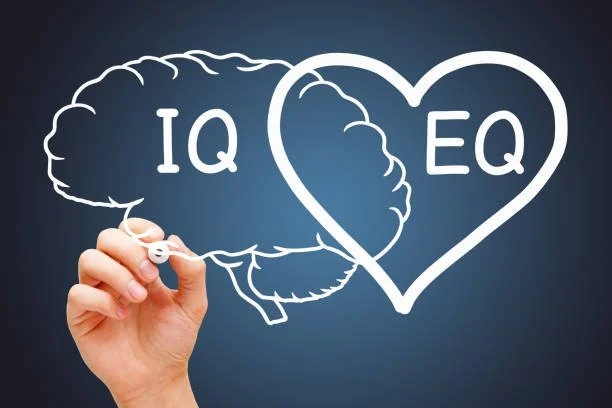
Emotional Intelligence The Missing Skill in Leadership Development
Many leaders excel in strategy and execution yet encounter challenges in communication and trust. Emotional intelligence bridges that gap, shaping how leaders think, respond, and engage in moments that matter most.
Leadership development has traditionally focused on strategy, execution, and results. These remain essential. Yet across many organizations, a gap persists, one that cannot be filled by technical expertise or experience alone.That gap is emotional intelligence.
While widely referenced, emotional intelligence is often misunderstood or treated as secondary to more measurable leadership skills. In practice, it is frequently the factor that determines whether a leader’s capability translates into effectiveness.
Beyond Competence
Many leaders are highly competent. They understand their industry, make informed decisions, and manage complex operations. Yet competence does not always lead to alignment within teams, clarity in communication, or trust in relationships. These outcomes depend on something less visible.
Emotional intelligence shapes how leaders:
Interpret situations under pressure, respond to disagreement or resistance, communicate expectations and feedback or influence without escalating tension. Without it, even well-designed strategies can falter in execution.
What Emotional Intelligence Actually Involves
Emotional intelligence is not about being agreeable or overly expressive. It is a set of practical, observable capacities that influence how a leader thinks, communicates, and acts. At its core, it includes:
Self-Awareness
The ability to recognize one’s internal reactions, assumptions, and patterns—particularly under stress.
Self-Regulation
The capacity to remain steady and deliberate, rather than reactive, when challenged.
Social Awareness
An understanding of how others may be experiencing a situation, even when perspectives differ.
Relational Skill
The ability to communicate clearly, listen effectively, and engage in difficult conversations without avoidance or escalation. These are not abstract qualities. They are learnable and measurable in behavior.
Why It Is Often Overlooked
Despite its importance, emotional intelligence is frequently underdeveloped in leadership contexts.
There are several reasons for this:
It is less visible than technical skill
Results can mask relational breakdowns—until they can no longer be ignored.
It is rarely taught in structured ways
Many leaders are expected to “pick it up” through experience rather than deliberate practice.
It can be misunderstood as a personality trait
In reality, emotional intelligence is a skill set, not an inherent disposition.
High performance environments may discourage it
Speed, pressure, and output can take precedence over reflection and communication quality.
Over time, this creates leaders who are effective in execution but limited in their ability to navigate complexity within people and systems.
The Cost of the Gap
When emotional intelligence is missing, the impact is often subtle at first, then cumulative.
It may appear as:
Misalignment within teams despite clear goals
Avoidance of necessary but difficult conversations
Escalation of minor tensions into larger conflicts
Reduced trust, even among capable individuals
These dynamics affect not only performance, but also culture, retention, and long-term sustainability.
Developing Emotional Intelligence as a Leadership Discipline
Emotional intelligence develops through intentional practice, not passive awareness.
This involves:
Slowing down decision-making in key moments
Reflecting on patterns of reaction and communication
Receiving feedback without defensiveness
Practicing clarity and presence in conversations
It also requires a willingness to examine not only what decisions are made, but how they are made and communicated.
This is where structured coaching can play a meaningful role—providing a space to observe, reflect, and develop these capacities over time.
Leadership in a Complex Environment
Today’s leadership landscape is defined by uncertainty, diversity of perspective, and increasing relational complexity. Authority alone is no longer sufficient to create alignment.
Leaders are expected to:
Navigate ambiguity
Engage across cultural and functional differences
Maintain trust under pressure
These demands require more than expertise. They require the ability to remain grounded, attentive, and responsive in real time.
Emotional intelligence supports that ability.
A Foundational Skill, Not an Optional One
Emotional intelligence is not an addition to leadership development—it is foundational to it.
When leaders strengthen their capacity for awareness, regulation, and communication, they do more than improve interactions. They create environments where clarity is possible, conflict can be addressed constructively, and performance is supported by trust.
In that sense, emotional intelligence is not simply a skill. It is the condition that allows other leadership skills to function effectively.
The Hidden Cost of Unresolved Conflict in Business and Families
Unresolved conflict doesn’t disappear, it compounds. Whether in business or family, the true cost is often hidden until it shows up as lost revenue, broken relationships, or emotional burnout.
Why what you avoid today can cost you everything tomorrow.
Introduction: The Cost You Don’t See
Conflict is often treated like a fire to be avoided rather than managed. In both business and family systems, people walk on eggshells, delay difficult conversations, or convince themselves that “time will fix it.”
It doesn’t.
Instead, unresolved conflict quietly accumulates interest, emotionally, financially, and relationally, until the cost becomes impossible to ignore.
Part 1: The Emotional Cost
At its core, unresolved conflict is not just a disagreement, it’s an emotional weight that people carry daily.
In families, this can look like:
Siblings who stop speaking but never address the underlying issue
Couples who coexist but no longer connect
Adult children distancing themselves from parents
In business, it shows up as:
Silent resentment between partners
Leadership teams that avoid honest dialogue
Employees disengaging rather than speaking up
Over time, this creates:
Chronic stress and anxiety
Loss of trust
Emotional exhaustion
What’s important to understand is that people don’t just leave situations, they leave unresolved emotional experiences.
Part 2: The Financial Cost
This is where most people underestimate the impact.
In business, unresolved conflict can directly affect the bottom line:
Reduced productivity: Teams spend more energy navigating tension than doing meaningful work
Poor decision-making: Avoidance leads to delayed or compromised decisions
Turnover costs: Talented employees leave toxic or unclear environments
Lost opportunities: Partnerships and deals fall apart due to misalignment
In family systems, especially where finances are involved (divorce, estates, shared property), the cost can be even more striking:
Prolonged legal battles
Increased mediation and legal fees
Poor financial decisions driven by emotion rather than clarity
Breakdown of generational wealth planning
What could have been resolved through structured communication often turns into years of unnecessary expense.
Part 3: The Relational Cost
This is the most profound, and often irreversible, impact.
Unresolved conflict erodes relationships slowly:
Trust becomes fragile
Communication becomes defensive or nonexistent
Assumptions replace understanding
In families, this can mean:
Missed milestones (weddings, births, holidays)
Long-term estrangement
Generational patterns of conflict being repeated
In business, it leads to:
Fractured partnerships
Toxic workplace culture
Loss of leadership credibility
The tragedy is that many of these outcomes are preventable.
Part 4: Why People Avoid Conflict
Despite these costs, people still avoid addressing conflict. Why?
Because conflict feels risky.
People fear:
Damaging the relationship further
Losing control of the situation
Being misunderstood or rejected
Ironically, avoidance creates the very outcomes people are trying to pr
Part 5: The Turning Point, From Avoidance to Resolution
The shift happens when individuals and organizations begin to see conflict differently—not as something to avoid, but as something to work through constructively.
This requires:
A structured space for dialogue
Emotional awareness and regulation
Clear communication tools
A willingness to listen, not just respond
This is where coaching and mediation become powerful.
They provide:
Neutral ground
Clarity in communication
A process that moves people forward.
Conclusion: The Cost of Doing Nothing
The reality is simple:
You will pay for conflict, either now, through intentional conversation and resolution, or later, through emotional damage, financial loss, and broken relationships.
The question is not whether conflict exists.
The question is whether you’re willing to address it before the cost becomes too high.

Why High-Functioning Professionals Still Struggle with Conflict
Many accomplished professionals are highly skilled at solving complex problems, yet find conflict unexpectedly difficult. When relationships, power, and identity intersect, resolution requires more than competence, it requires relational and emotional intelligence.
It is often assumed that intelligence, experience, and professional success naturally translate into strong conflict management skills. Yet many high performing executives, founders, and senior professionals quietly struggle when tensions arise, especially in environments where the stakes are personal, financial, or reputational.
Competence in business does not automatically equal comfort in conflict.
The Myth of Capability
High-functioning professionals are accustomed to solving complex problems. They analyze data, assess risk, negotiate transactions, and make decisions under pressure. In many cases, their success is built on decisiveness and strategic thinking.
Conflict, however, is rarely solved through analysis alone.
Unlike financial or operational challenges, conflict involves emotion, identity, perception, and unspoken assumptions. It touches issues of authority, trust, recognition, and control—areas that are less tangible but often more powerful.
This is where even highly capable individuals can find themselves unsettled.
Why Success Can Complicate Conflict
There are several reasons why high-performing professionals may struggle with relational tension:
1. Identity Is Tied to Competence
Many leaders define themselves by their ability to manage complexity and produce results. When conflict arises, particularly within their own team or partnership, it can feel like a personal failure rather than a normal human dynamic.
2. Direct Conversations Carry Risk
For executives and founders, relationships are often intertwined with ownership, equity, or long-term strategy. Addressing conflict directly may feel threatening, not only emotionally, but structurally.
3. Emotional Signals Are Suppressed
In performance-driven environments, emotional awareness is sometimes undervalued. Yet unresolved frustration, resentment, or misalignment rarely disappear simply because they are ignored.
4. Power Dynamics Add Pressure
When hierarchy is involved, honest dialogue can become complicated. Senior leaders may hesitate to show vulnerability. Junior partners may hesitate to speak candidly. Silence often replaces clarity.
Over time, these dynamics erode trust, even in otherwise capable teams.
Conflict Is Not a Sign of Weakness
One of the most persistent misconceptions among professionals is that conflict indicates dysfunction. In reality, conflict is often a sign of growth, change, or differing priorities emerging within a system.
What determines the outcome is not the presence of conflict, but how it is handled.
When avoided, tension tends to intensify.
When confronted aggressively, it damages relationships.
When addressed skillfully, it can clarify roles, strengthen alignment, and deepen respect.
The Skills That Are Rarely Taught
Few executives receive formal training in: Regulating emotional responses during disagreement, separating intent from impact, listening without preparing a counterargument, naming tension without escalating it
Yet these skills often determine whether conflict becomes destructive or constructive.
High-functioning professionals are not deficient in ability. More often, they have simply not been given structured space to develop these capacities.
From Control to Clarity
For leaders accustomed to control and responsibility, conflict can feel destabilizing. Transformational growth occurs when the focus shifts from controlling outcomes to clarifying perspectives.
This involves recognizing assumptions, identifying underlying concerns, communicating directly without defensiveness, remaining steady when conversations become uncomfortable. These are not instinctive skills. They are developed.
Why This Matters Now
In today’s professional landscape marked by cross-cultural teams, rapid change, and heightened expectations, conflict is inevitable. The question is not whether it will arise, but whether leaders are prepared to navigate it constructively.
High performance requires more than strategy. It requires relational intelligence.
When leaders strengthen their capacity to manage conflict with steadiness and clarity, they do more than resolve disputes. They create cultures where difficult conversations are possible and where trust can withstand tension.
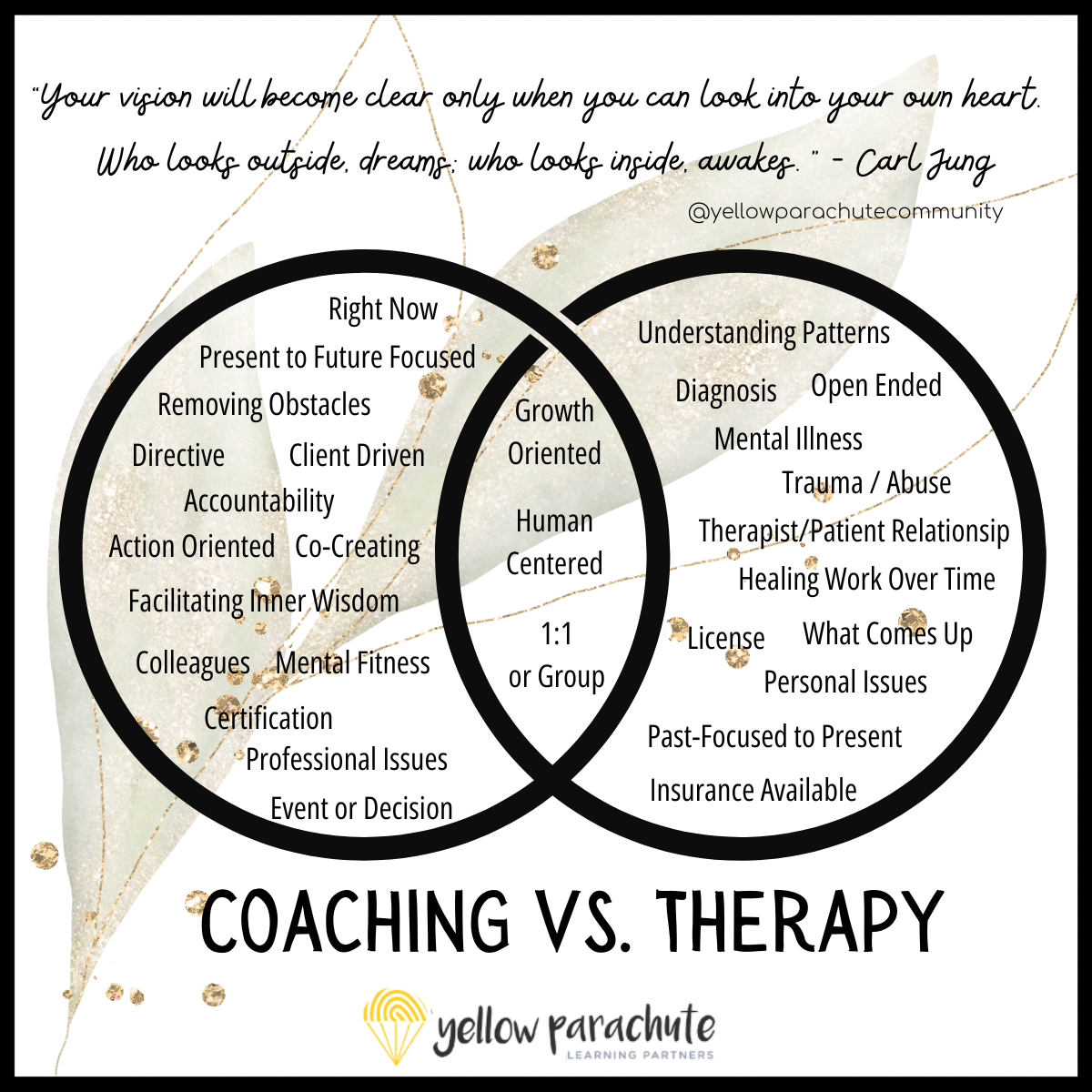
Coaching vs. Mediation vs. Therapy What’s the Difference, and Why It Matters
Coaching, mediation, and therapy serve different purposes, yet are often confused. Understanding the distinction helps individuals and organizations choose the right form of support—and engage it effectively.
As interest in personal and professional development continues to grow, many people find themselves unsure which form of support is most appropriate: coaching, mediation, or therapy. While these approaches can appear similar on the surface, they serve distinct purposes and are effective in different contexts.
Understanding the differences matters, not only for choosing the right support, but also for setting realistic expectations about the process and outcomes.
Therapy: Healing and Understanding the Past
Therapy is primarily concerned with psychological healing and emotional wellbeing. It often focuses on, processing past experiences, addressing trauma, anxiety, or depression and understanding long-standing behavioral or emotional patterns
Therapy can be essential when distress significantly affects daily functioning or when unresolved experiences continue to shape present behavior. The therapeutic relationship is often ongoing and may explore both conscious and unconscious dynamics.
In short, therapy is typically past-oriented, with the goal of healing and stabilization.
Mediation: Resolving Conflict Between Parties
Mediation is a structured process designed to help two or more parties navigate conflict and reach agreements they can accept.
It is most effective when there is an active dispute or breakdown in communication, when relationships need to be preserved where possible and when Legal or formal escalation would be costly or damaging
A mediator remains neutral and does not take sides or impose solutions. Instead, the process focuses on, clarifying interests and concerns, improving communication and supporting voluntary, informed decision-making. Mediation is generally present-focused, addressing a specific conflict or set of issues.
Coaching: Developing Capacity for the Future
Coaching supports individuals in clarifying goals, strengthening awareness, and navigating transitions. Unlike therapy, coaching does not focus on diagnosis or treatment. Unlike mediation, it does not resolve disputes between parties.
Coaching is most effective when individuals want to improve leadership or communication, navigate professional or personal transitions, increase emotional intelligence and decision-making capacity and align actions with values and priorities
Coaching is typically future-oriented, helping clients move forward with intention and accountability.
Why the Distinctions Matter
Each approach is valuable, but misapplying them can lead to frustration or limited results.
For example:
Coaching cannot replace therapy when psychological healing is needed
Mediation is ineffective if one party is unwilling or unsafe to engage
Therapy may not be the most efficient support for goal-driven professional development
Choosing the right approach respects both the individual and the process.
When Approaches Complement One Another
In practice, these disciplines can complement one another when used appropriately.
An individual may work with a therapist to address past trauma while engaging a coach to support leadership development. A family or business may use mediation to resolve a dispute while individuals involved pursue coaching to strengthen communication and self-awareness.What matters is clarity around roles, boundaries, and objectives.
Making an Informed Choice
Seeking support is not a sign of weakness, it is often a sign of discernment. Understanding the distinctions between coaching, mediation, and therapy allows individuals and organizations to engage the right kind of help at the right time. When expectations are clear, the work becomes more effective, ethical, and respectful of everyone involved.
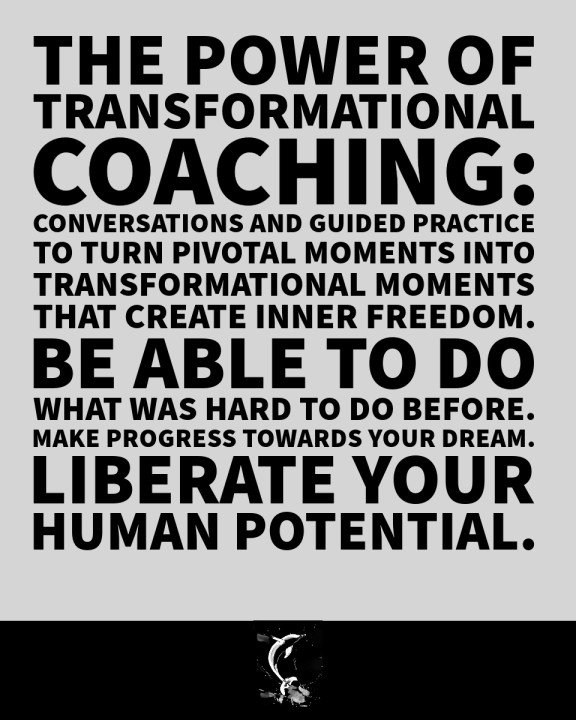
What Makes Coaching Transformational (Not Just Strategic)
Many people perform well in familiar conditions but struggle when pressure, conflict, or uncertainty arises. Transformational coaching creates awareness of the patterns that drive these moments and builds the emotional intelligence needed to respond with clarity rather than reaction.
In recent years, coaching has become widely accepted as a support for performance, leadership, and personal development. Yet not all coaching leads to meaningful or lasting change. Some approaches focus primarily on strategy, productivity, or goal attainment—useful in the short term, but often limited in depth. Transformational coaching works differently.
Rather than concentrating solely on what a person should do, it explores how they think, decide, and relate, to themselves and to others. This distinction is subtle, but essential.
Strategy Solves Problems. Transformation Changes Capacity.
Strategic coaching often helps clients clarify objectives, improve efficiency and make better plans. These outcomes are valuable but they do not always address the patterns that create the same challenges repeatedly, especially under pressure, conflict, or uncertainty.
Transformational coaching focuses on expanding a person’s capacity to hold complexity, to regulate emotion, to communicate clearly under stress and to act with intention rather than reaction When capacity changes, behavior follows naturally.
Awareness as the Starting Point
Lasting change begins with awareness. Many capable, intelligent individuals are highly effective in familiar conditions, yet struggle when circumstances shift or tensions rise. In those moments, people tend to default to habitual responses, avoidance, control, over-functioning, withdrawal, often without realizing it. Transformational coaching creates space to notice, How decisions are being made and what assumptions are driving reactions
Where values and actions are misaligned
This awareness is not about judgment. It is about clarity.
Emotional Intelligence as a Practical Skill
Emotional intelligence is often misunderstood as a soft or abstract concept. In practice, it is a highly functional skill set. It includes the ability to recognize emotional signals before they escalate, helping to stay present during difficult conversations. It’s important to separate facts from interpretation and respond deliberately rather than reflexively.
In leadership, family systems, and professional partnerships, these skills often determine whether situations de-escalate or intensify. Transformational coaching strengthens emotional intelligence not through theory, but through reflection, practice, and accountability.
Responsibility Without Blame
One of the most powerful aspects of transformational coaching is its emphasis on responsibility, without blame. Clients are not asked to analyze the past or assign fault endlessly. Instead, they are supported in recognizing their role within a system and identifying where they have a choice. This shift is often liberating. When individuals see that they are not trapped by circumstances but have influence over how they engage with them, new options emerge, often quickly and sustainably.
Why This Approach Matters Now
In times of stability, strategy may be sufficient. In times of complexity, transformation becomes essential. Across professional, organizational, and personal contexts, people are navigating increased uncertainty, competing demands and identities. Fewer clear rules and longer decision horizons In these conditions, success depends less on having the right answers and more on the ability to think clearly, communicate effectively, and remain grounded when outcomes are not guaranteed. Transformational coaching supports that ability.
Coaching as a Developmental Process
Transformational coaching is not about motivation or advice. It is a structured, intentional process that helps individuals build internal alignment, resilience, and discernment over time. The result is not simply improved performance, but greater integrity between who a person is, how they lead, and how they live. That is what makes the work meaningful, and why its impact tends to endure.
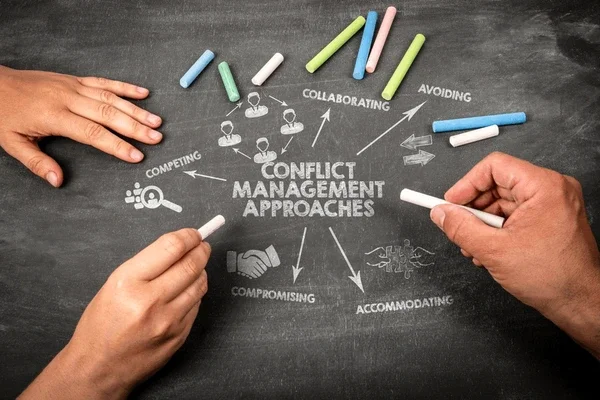
Why We Respond to Conflict So Differently, and How to Build a Skilled Response
Conflict is not the problem. How we respond to conflict determines whether relationships, leadership, and businesses fracture or mature. Our conflict styles are learned, adaptive, and most importantly, trainable.
Conflict is not the problem. How we respond to conflict is where lives, relationships, and businesses either fracture or mature. Some people confront immediately. Others withdraw, appease, or go silent. Some escalate, others freeze. And almost all of us believe our response is “just how I am.”But it isn’t. Our conflict style is learned, adaptive, and, most importantly, trainable.
The Two Most Common Conflict Responses
Most people fall somewhere along a spectrum, but two patterns appear again and again.
1. The Confronter
Confronters move toward conflict. They may:
Speak quickly and forcefully
Push for a resolution right away
Experience anger, urgency, or righteousness
Believe avoiding conflict is weak or dishonest
At their best, confronters are direct, courageous, and decisive. At their worst, they can overwhelm, dominate, or escalate unintentionally.
2. The Avoider
Avoiders move away from conflict. They may:
Delay difficult conversations
Minimize their own needs
Seek harmony at any cost
Shut down emotionally or physically leave
At their best, avoiders are thoughtful, empathetic, and peace-oriented. At their worst, resentment builds, clarity disappears, and problems quietly metastasize. Neither style is wrong. Both styles once protected something important.
Where These Patterns Come From
Our conflict responses are shaped long before adulthood. They are learned through:
Family dynamics
Cultural expectations
Power imbalances
Early experiences of safety or threat
A child who learned that speaking up led to punishment may become an avoider. A child who learned they had to fight to be heard may become a confronter. What once kept us safe can later keep us stuck. The Nervous System Is in the Driver’s Seat. In moments of conflict, logic takes a back seat.
The nervous system scans for danger and chooses one of three responses:
Fight - Flight - Freeze
When we are dysregulated:
We react instead of respond
We defend instead of listening
We protect instead of connect
This is why telling someone to “just communicate better” rarely works. Skillful conflict management begins with regulation, not words.
From Reaction to Response: Building Conflict Skill
A skilled response to conflict is not about winning, avoiding, or being right. It is about:
Staying present under pressure
Naming what matters without attack
Listening without abandoning yourself
Choosing intention over impulse
This can be learned. Here are three foundational skills:
1. Awareness
Notice your default pattern.
Do you lean toward confrontation or avoidance?
What sensations show up in your body?
What story do you tell yourself in conflict? Awareness creates choice.
2. Regulation
Before engaging, stabilize your nervous system.
Slow your breathing
Ground your body
Create a pause between trigger and response
You cannot think clearly in survival mode.
3. Language with Integrity
Skillful conflict uses language that is:
Clear, not blaming
Honest, not explosive
Boundaried, not defensive
This is where coaching and mediation tools become transformative, because they offer structure where emotion once ruled.
Conflict as a Developmental Skill
Conflict does not have to damage relationships. Handled well, it deepens them.
When people learn to: Stay present when it’s uncomfortable. Speak truth without harm. Hear the difference without collapse. Conflict becomes a site of growth, not fear. The goal is not to change who you are but to expand who you can be.
A Final Thought
If conflict feels overwhelming, you are not broken. You are patterned. And patterns can evolve. With awareness, practice, and support, your response to conflict can become one of your greatest strengths, in your relationships, your leadership, and your life.

In Times of Uncertainty, How We Speak, Listen, and Resolve Differences Matters More Than Ever
When differences harden into positions, connection often disappears. Learning how to stay present in disagreements is not optional anymore……..it’s essential!
A quiet but meaningful shift is taking place in how individuals, families, and organizations approach challenge, conflict, and change. Rather than waiting for problems to escalate, or relying solely on authority, hierarchy, or legal resolution there is growing interest in approaches that emphasize dialogue, clarity, and human understanding.
Coaching and mediation are increasingly part of that conversation.
This is not a trend driven by self-improvement culture or quick fixes. Instead, it reflects a deeper recognition that complexity, whether in leadership, relationships, or life transitions, requires more thoughtful and skillful ways of engaging with one another.
A Changing Landscape of Work and Life
Workplaces and family systems are evolving rapidly. Globalization, cross-border teams, generational differences, and economic uncertainty have reshaped how people collaborate and make decisions. Traditional structures that once offered clear roles and expectations are no longer sufficient on their own.
As a result, many professionals find themselves navigating:
Increased responsibility without clear authority
Conflicting values within teams or families
High performance demands alongside emotional strain
Transitions that affect identity, not just circumstance
In this environment, technical expertise alone is no longer enough. The ability to communicate effectively, manage conflict constructively, and remain grounded during change has become essential.
Europe’s Longstanding Relationship with Dialogue
What makes Europe particularly receptive to coaching and mediation is that these disciplines align naturally with long-established cultural values.
Across many European contexts, there is a deep respect for:
Deliberation over reaction
Consensus over dominance
Process over immediacy
Context over simplification
Mediation, facilitation, and negotiated solutions have long been embedded in legal systems, labor relations, and community structures. Coaching, when practiced professionally and ethically, complements this tradition by offering a structured space for reflection, accountability, and growth.
Rather than imposing answers, both coaching and mediation focus on improving the quality of conversation—internally and externally.
Coaching and Mediation: Different Roles, Shared Foundations
Although often discussed together, coaching and mediation serve distinct but complementary purposes.
Coaching supports individuals and leaders in gaining clarity, developing emotional intelligence, and navigating personal or professional transitions. It is future-focused and developmental, helping clients align actions with values and intentions.
Mediation, by contrast, addresses conflict directly. It provides a neutral and structured environment where differing perspectives can be heard, understood, and resolved before damage becomes irreversible.
What unites both disciplines is a shared foundation in:
Communication skills
Emotional intelligence
Systems thinking
Respect for autonomy and agency
They are not about fixing people. They are about supporting better decision-making, stronger relationships, and more sustainable outcomes.
Why This Moment Matters
The growing momentum behind coaching and mediation in Europe reflects a broader truth: when systems become more complex, the cost of poor communication increases.
Unaddressed conflict affects not only productivity and outcomes, but also trust, wellbeing, and long-term stability, whether in a leadership team, a family enterprise, or a personal relationship.
Increasingly, individuals and organizations are recognizing that investing in dialogue early is not a sign of weakness, but of foresight.
A Thoughtful Shift Forward
Coaching and mediation are not replacements for expertise, leadership, or responsibility. They are tools that support people in exercising those qualities more effectively.
As Europe continues to navigate social, economic, and organizational change, the emphasis on reflection, clarity, and constructive engagement is likely to deepen, not as a passing phase, but as a mature response to modern complexity.